

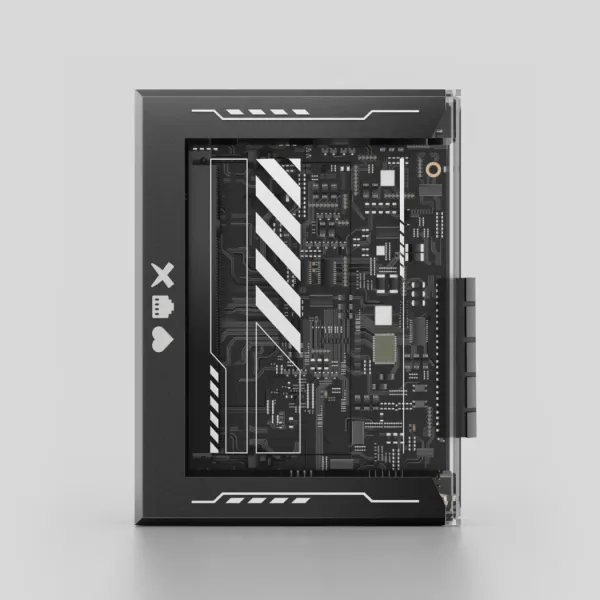
ZimaBlade
ZIMA · ZimaBlade
ZimaBlade is a low-power x86 microserver designed for storage enthusiasts, home automation fans, and home lab builders. Unlike a Raspberry Pi, it offers an x86 architecture compatible with full operating systems such as Proxmox, TrueNAS, OpenMediaVault, CasaOS, Debian, Ubuntu, or Windows. Its modular design includes native SATA ports for connecting hard drives without USB adapters, plus a PCIe slot that lets you expand functionality with network cards, additional storage, or even certain low-power graphics cards. Thanks to its compact size and low energy consumption, it is a very popular platform for hosting Home Assistant, Immich, Jellyfin, Docker servers, VPNs, backups, personal storage, and lightweight virtualization environments. The homelab community has turned ZimaBlade into one of the most interesting alternatives for anyone looking for an affordable, quiet, and highly flexible home server.
✓ Pros
- Full x86 architecture
- Very low power consumption
- Compatible with Proxmox
- Compatible with Home Assistant
- Native SATA ports
- PCIe slot for expansions
- Compatible with Docker and virtual machines
- Quiet and compact
- Compatible with CasaOS
- Very affordable RAM
- Price
✗ Cons
- Does not include storage
- No built-in WiFi
- Limited power compared with modern mini PCs
- Only one PCIe slot
- Not designed for heavy virtualization
- RAM not included
Compatibility
Specifications
| Model | ZimaBlade |
| Architecture | x86-64 Intel |
| Processor | Intel Celeron N3350 or N3450 depending on version |
| Compatible Memory RAM | SODIMM DDR3 |
| Internal storage | eMMC 32 GB |
| SATA ports | 2 |
| Connectivity | Gigabit Ethernet |
| USB ports | USB 3.0 |
| Expansion | PCIe 2.0 x4 |
| Power | USB-C Power Delivery |
| Supported systems | Proxmox, CasaOS, Debian, Ubuntu, TrueNAS, OpenMediaVault, Windows and Home Assistant |
| Power supply | USB-C PD |
| Neutral wire required | No |
Related content

Watch on YouTube
Is the ZimaBlade Worth It in 2026? The Low-Cost Mini Server for Your Homelab
Setting up a home server usually means spending hundreds of euros or settling for limited development boards. However, there is an option that often goes unnoticed and that, even in 2026, remains one of the best alternatives for its price-to-performance ratio: the ZimaBlade. In this article, we will analyze why this small Intel-based hardware can be the perfect heart for your Home Assistant, NAS or Docker server, outperforming the classic Raspberry Pi in many aspects.
Read review