Best Presence Sensors for Home Assistant: mmWave Comparison from €16 to €60
If you are building a smart home with Home Assistant, presence detection is one of the most powerful upgrades you can add to your automations. We are no longer talking about basic PIR motion sensors that turn the lights off while you are sitting still on the sofa. We are talking about mmWave presence sensors. In this guide, we compare some of the most popular Home Assistant presence sensors on the market: from affordable AliExpress models to premium devices such as the eMotion Ultra. Is it really worth paying more for a high-end mmWave sensor? Let’s find out.
On YouTube I share more tutorials, hands-on tests and real smart home setups. Subscribe on YouTube

Related video on YouTube
Video1. Hardware dilemma: wired or battery-powered?
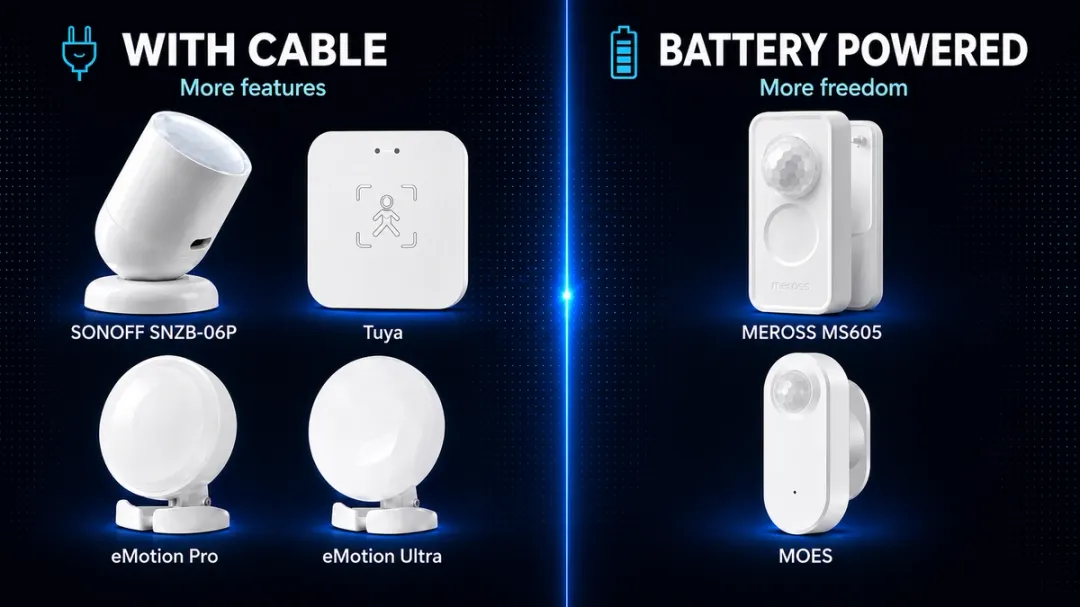
The first major decision is not the price, but how the sensor is powered.
- Wired presence sensors (SONOFF SNZB-06P, Tuya, eMotion): These are the best option for continuous presence detection. Since they are permanently powered, they can use mmWave radar technology without worrying about power consumption. They are the most reliable choice for critical Home Assistant automations, such as living room or office lighting.
- Battery-powered sensors (MOES and Meross MS605): Their main advantage is flexible placement. However, to save energy, they usually have longer refresh intervals. The Meross MS605 stands out for its efficiency, but remember that a battery-powered presence sensor will always have limitations compared with a wired one when it comes to data refresh frequency.
2. Connectivity and protocols: Zigbee, Wi-Fi, Matter and MQTT
How the sensor communicates with Home Assistant will directly affect the stability of your smart home network.
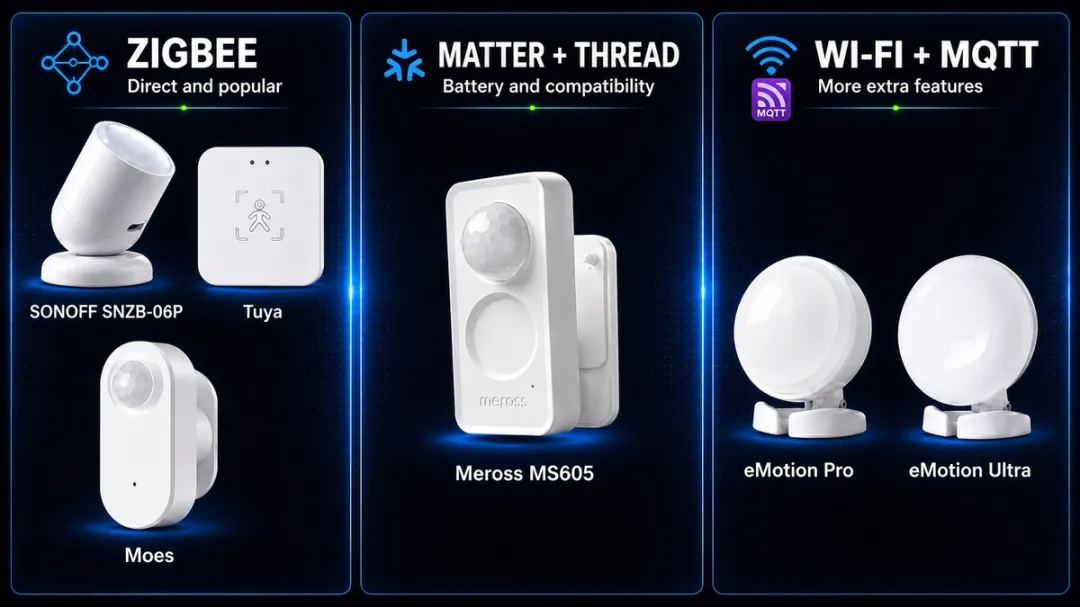
- Zigbee (SONOFF, Tuya, MOES): A favorite option for many Home Assistant users. With Zigbee2MQTT, these sensors can expose a huge number of configuration parameters.
- Matter over Thread (Meross MS605): This is one of the most promising standards for the smart home. It offers very fast local response and native integration with minimal setup.
- Wi-Fi and MQTT (eMotion Pro/Ultra): The eMotion sensors rely on the power of MQTT. This allows direct communication and exposes many entities in Home Assistant, making them ideal for users who want full control and very granular configuration.
3. Settings and configuration: what can you control?
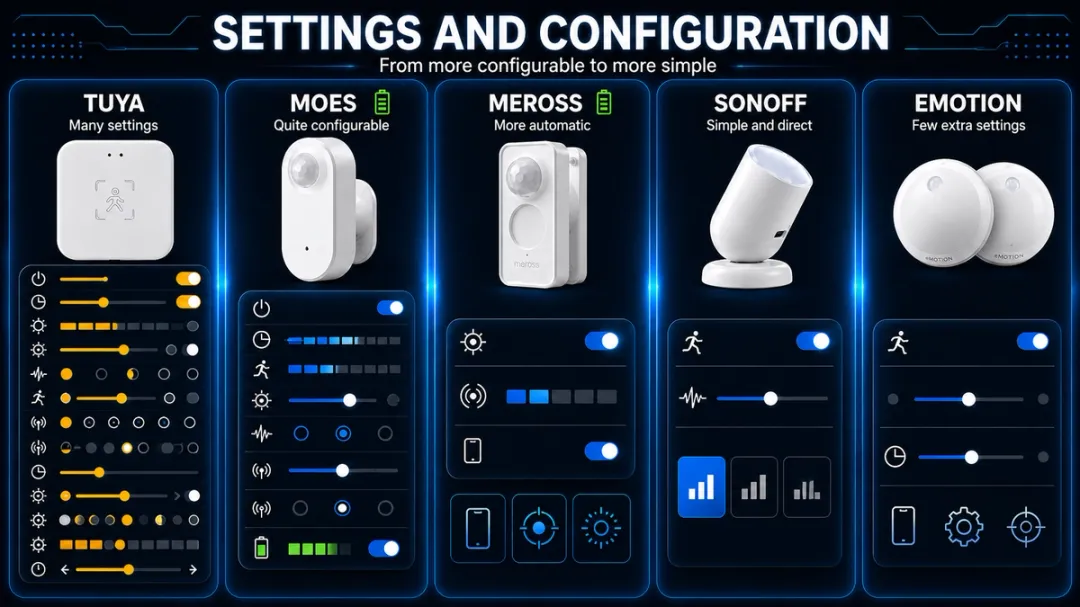
Not all presence sensors appear the same inside your system. Basic Tuya or SONOFF models let you adjust sensitivity and detection delay, while eMotion sensors go one step further. They allow much finer detection thresholds, helping prevent a moving curtain or a fan from triggering a false automation. Being able to tune the sensor to your specific room is what separates an annoying sensor from an invisible and efficient one.
4. Extra features: beyond presence detection
Sometimes, paying more means you can avoid buying additional devices.
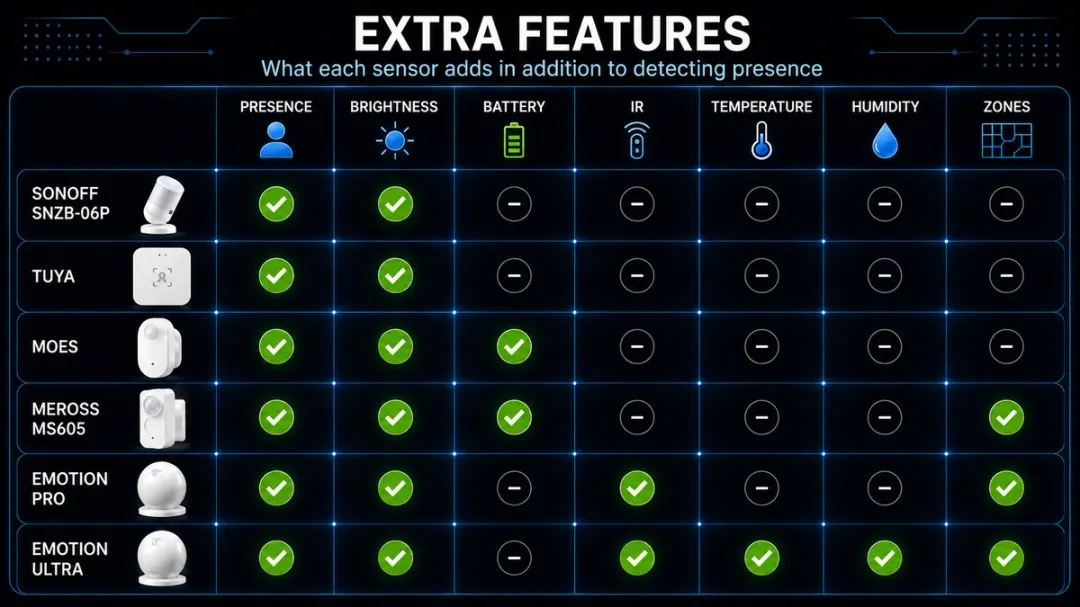
- Light level: Essential if you want your lights to stay off when there is already enough natural light.
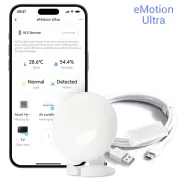
- Temperature and humidity: Models such as the eMotion Ultra include these sensors, allowing you to manage climate-related automations from a single device.
- Infrared (IR) and battery status: Some models report their battery level or include IR emitters to control older devices.
5. The power of zones and auto-calibration
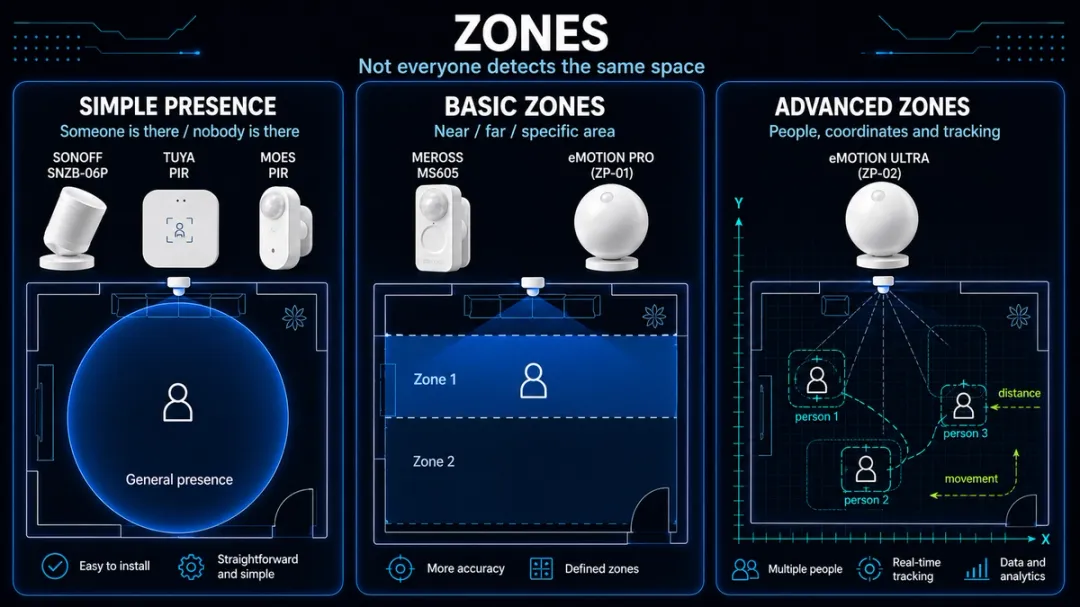
This is the standout feature of high-end mmWave presence sensors such as the eMotion Ultra.
- Zones: They let you divide a room into different areas. For example, you can create an automation that turns on the desk light only when you are sitting at the chair, while ignoring someone walking through the rest of the room.
- Auto-calibration: Advanced sensors can learn the static noise in a room, such as objects that move slightly, and remove it from the equation to reduce false positives.
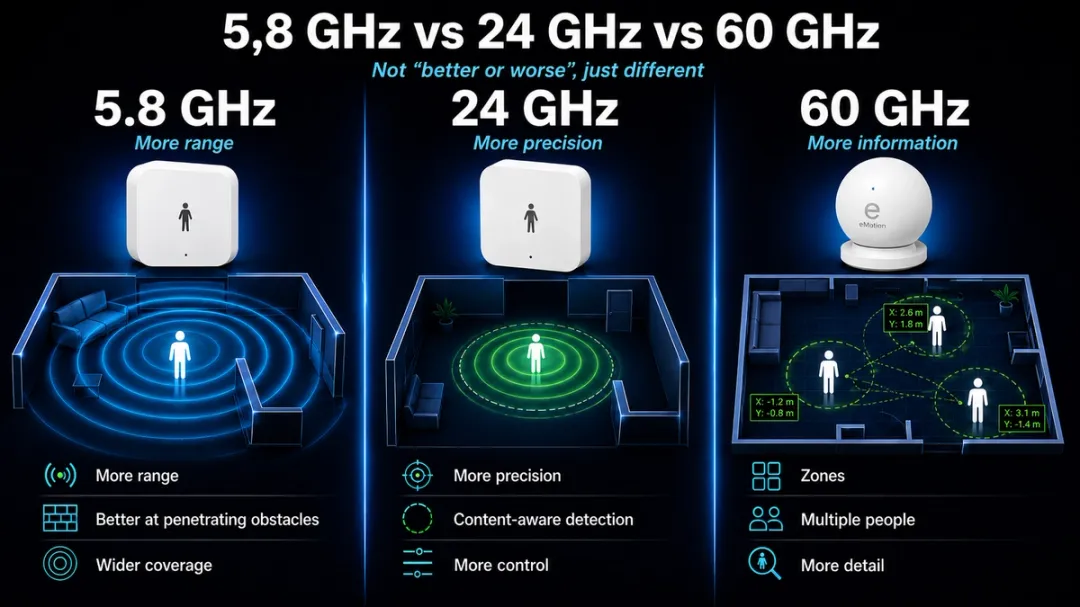
6. Frequencies: 5.8 GHz, 24 GHz and 60 GHz
The mmWave radar frequency is one of the key factors behind detection accuracy:
- 5.8 GHz: Usually the most affordable option. They can detect presence well, but may pass through thin walls and detect movement where you do not want them to.
- 24 GHz (SONOFF SNZB-06P24): A significant step up in precision and false-positive reduction.
- 60 GHz (eMotion Ultra): The highest-end option in this comparison. It can detect multiple people, exact coordinates, distance and even very subtle movement.
Recommended gear
These are the devices used in this project:
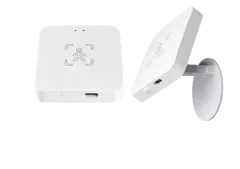
- Tuya mmWave Human Presence Sensor Zigbee/WiFi — Reviewed in the video: Aliexpress
- SONOFF SNZB-06P — Reviewed in the video: Amazon · AliExpress
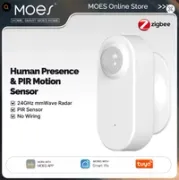
- MOES ZSS-HP05-A-MS — Reviewed in the video: Official store · Amazon · AliExpress
- SONOFF SNZB-06P24 — Reviewed in the video: Amazon · AliExpress
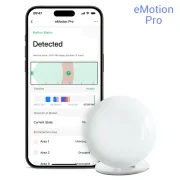
- LinknLink eMotion Pro — Reviewed in the video: Official website · Amazon · AliExpress
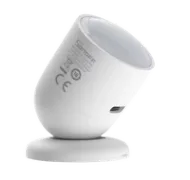
- Meross MS605 — Reviewed in the video: Official website (coupon: ) · Meross US / CA / AU (coupon: ) · AliExpress · Amazon
- LinknLink eMotion Ultra — Reviewed in the video: Official website · AliExpress · Amazon
- LinknLink eHome HA: Official website · Amazon · AliExpress
Conclusion: which Home Assistant presence sensor should you buy?
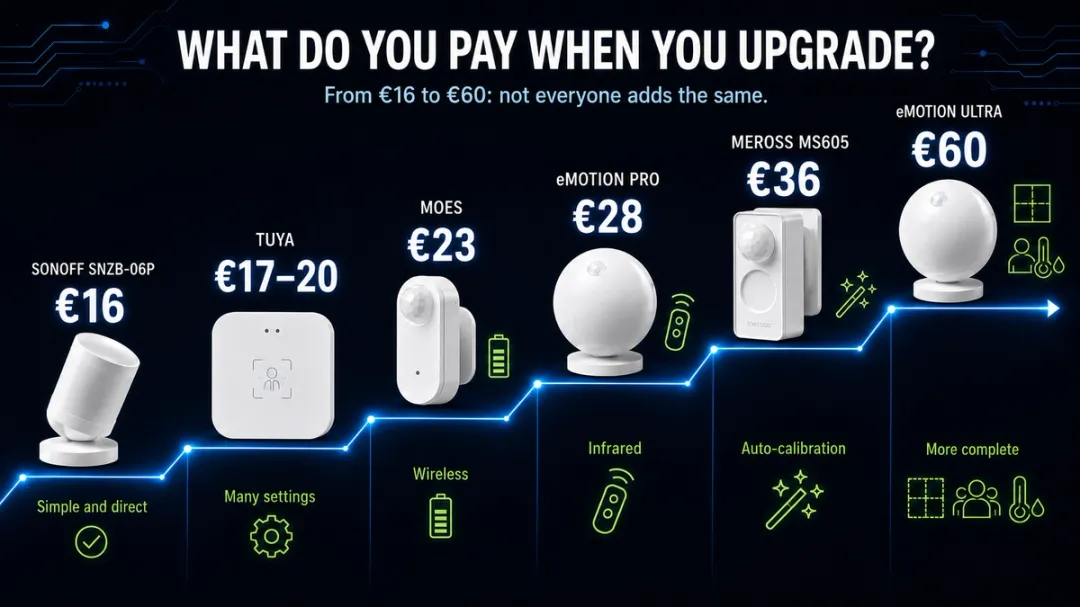
- Tight budget (€16–€25): The SONOFF SNZB-06P/24 or Tuya 24 GHz sensors are hard to beat for standard rooms.
- No nearby power outlet: Go straight for the Meross MS605 with Matter over Thread.
- Complex automations around €60: The eMotion Ultra is the clear winner if you need zones, multi-person tracking and the richest set of data inside Home Assistant.
If you want to see real-world tests of each sensor, do not miss the full video on my channel:
Related video

Recommended gear